A commercial painting project can affect much more than the appearance of your property. The quality of the work can influence maintenance costs, tenant satisfaction, customer impressions, and how well the building is protected from North Carolina’s heat, humidity, rain, and seasonal weather changes.
Choosing the right contractor is an important decision, whether you manage an office, apartment community, HOA, hotel, retail space, school, or another commercial property. Price matters, but it should not be the only factor you consider.
If you are wondering how to choose a commercial painter, look for a company with the experience, planning capabilities, communication, and attention to detail required to manage your property responsibly. This guide explains what to evaluate when hiring a commercial painting contractor in Raleigh, NC.
Start With Relevant Commercial Painting Experience
Residential and commercial painting require many of the same technical skills, but commercial projects frequently involve additional layers of planning and coordination.
A commercial painting company may need to work around:
- Business hours
- Employees and customers
- Tenants or residents
- Guests and visitors
- Deliveries and building access
- Multiple buildings or units
- Property management teams
- HOA boards or other decision-makers
- Firm deadlines and scheduled events
Ask each contractor about projects they have completed for properties similar to yours. A team that has painted occupied apartment buildings may understand resident communication and project phasing, while a contractor with hospitality experience may be better prepared to protect the guest experience at a hotel.
Relevant experience helps a contractor anticipate challenges before they interfere with the schedule or property operations.
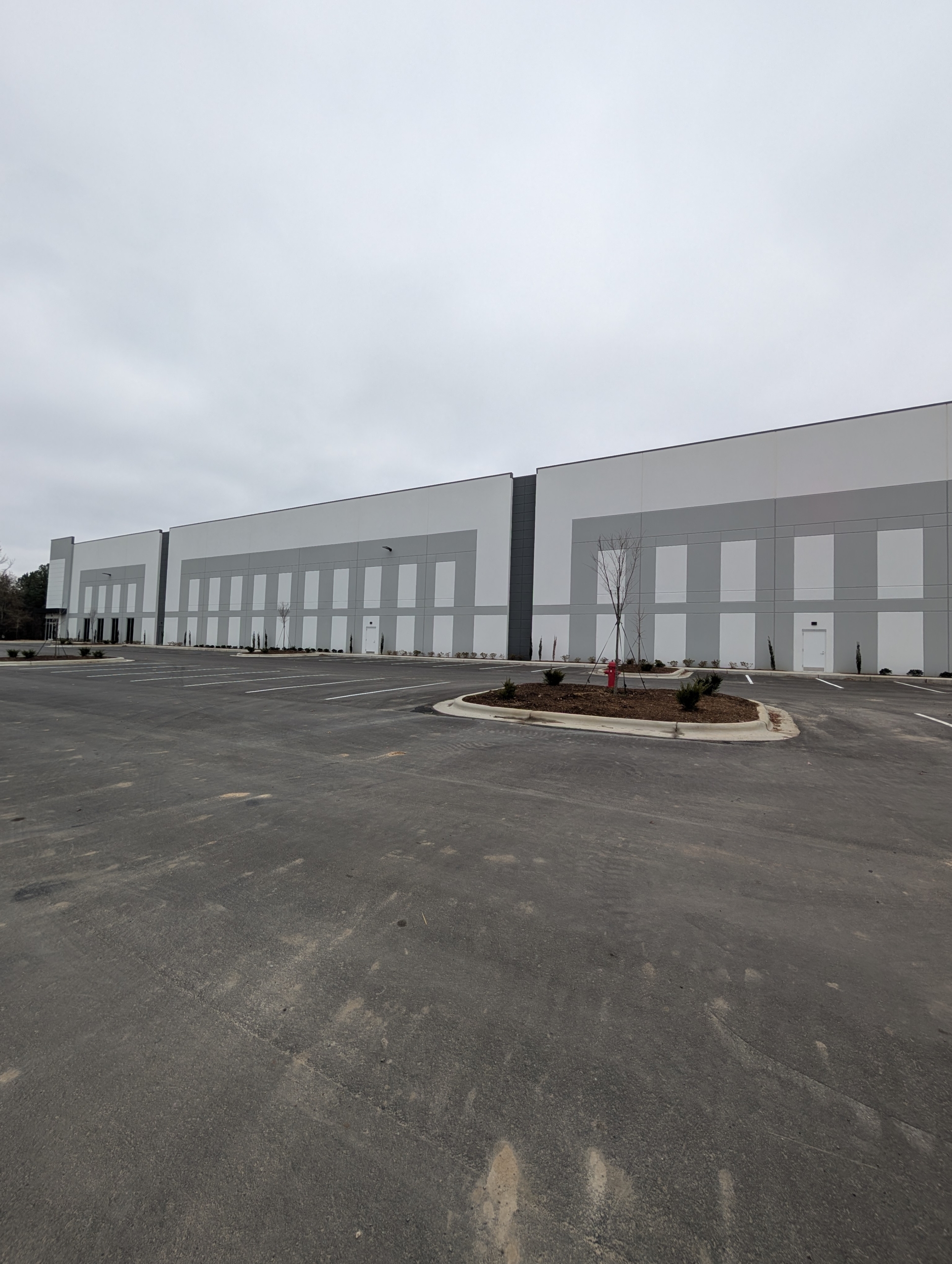
Triangle Painting & Siding provides commercial painting services in Raleigh and throughout the Triangle for a variety of properties and organizations.
Verify That the Company Is Insured
Before hiring a commercial painting contractor, confirm that the company carries appropriate insurance for the work it will perform.
Ask the contractor to provide current documentation rather than relying solely on a statement on its website. Depending on your organization and the size of the project, you may also have specific insurance requirements that must be met before work can begin.
A professional contractor should be prepared to discuss its coverage and provide the information your property manager, board, or organization needs.
Ask for a Detailed Commercial Painting Estimate
A useful commercial painting estimate should do more than provide one total price. It should clearly explain what is included in the proposal so that you can compare contractors accurately.
Look for details such as:
- Areas and surfaces to be painted
- Interior or exterior scope of work
- Surface preparation
- Repairs included in the project
- Primers, paints, or coatings to be used
- Number of coats, when applicable
- Areas excluded from the proposal
- Protection of landscaping, floors, fixtures, and property
- Anticipated project schedule
- Cleanup responsibilities
- Warranty information
- Payment terms
- Process for approving additional work
Be cautious when an estimate lacks important details. Two contractors may appear to be bidding on the same project while including very different levels of preparation, materials, and service.
A clearly written proposal reduces uncertainty and helps everyone understand the expectations before work begins. You can request a commercial painting estimate to begin discussing your property and project needs with Triangle Painting & Siding.
Compare the Entire Scope, Not Just the Price
The lowest estimate is not necessarily the best value.
One commercial painting company may include washing, scraping, sanding, caulking, spot priming, and minor repairs. Another may provide a lower price by including far less preparation. Those differences can directly affect the appearance and longevity of the finished work.
When comparing estimates, consider:
- The amount of preparation included
- The quality of the products specified
- Repairs included or excluded
- The proposed schedule
- Crew and project management
- Protection of the property
- Communication procedures
- Cleanup
- Warranty coverage
Ask questions when proposals are not equally detailed. The goal is to understand what you are purchasing, not simply which number is lowest.
Pay Close Attention to Surface Preparation
Quality commercial painting begins with proper preparation. Paint cannot correct damaged, dirty, damp, or deteriorating surfaces on its own.
Preparation may include:
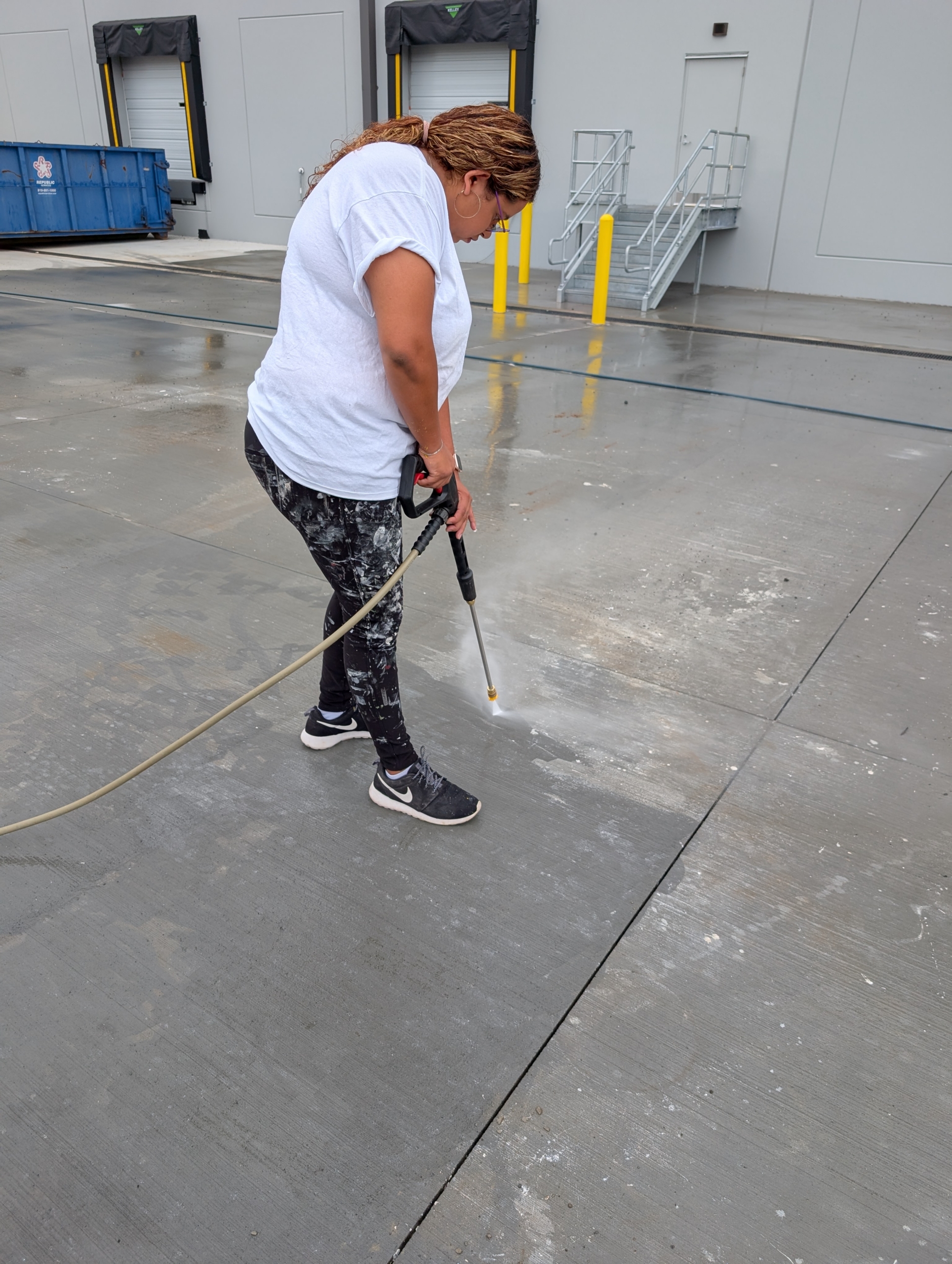
- Cleaning or pressure washing appropriate surfaces
- Removing loose or peeling paint
- Sanding rough edges
- Filling holes and minor surface imperfections
- Repairing failed caulk
- Spot priming exposed areas
- Addressing damaged siding or wood
- Protecting adjacent surfaces
- Checking for moisture-related concerns
The preparation process should be customized to the building material and its current condition. Exterior wood, fiber cement siding, masonry, drywall, metal, and previously coated surfaces may each require different products and techniques.
Ask prospective contractors to walk the property with you and explain what they see. A knowledgeable contractor should be able to identify visible concerns and describe how they will be addressed.
Discuss Repairs Before Painting Begins
Commercial exterior painting sometimes reveals damaged siding, deteriorated trim, wood rot, open joints, or areas affected by moisture. Covering those problems with paint will not provide a lasting solution.
Ask whether the company can handle necessary repairs or coordinate them as part of the project. Completing repairs before painting can improve the finished appearance and help protect the property from further damage.
Triangle Painting & Siding offers both commercial painting and certain siding services, allowing our team to evaluate the property more comprehensively and clearly explain which work should be completed before painting begins.
Evaluate the Products and Coatings Being Recommended
Commercial properties are exposed to regular wear, cleaning, weather, and frequent use. The right product depends on where it will be applied and what the surface must withstand.
A knowledgeable contractor should consider:
- Interior versus exterior use
- Surface material
- Exposure to sun and moisture
- Frequency of cleaning
- Traffic levels
- Desired finish
- Drying and curing requirements
- Odor and ventilation concerns
- Occupancy during the project
- Existing coatings
For example, a busy hallway may require a washable, durable finish, while an exterior surface needs a product intended for the material and local weather exposure.
Ask which paints, primers, or coatings are being recommended and why. Product selection should be based on the needs of your property rather than a one-size-fits-all approach.
Review the Plan for Scheduling and Project Phasing
A commercial painting contractor in Raleigh should be able to explain how the work will be organized around your operations.
Depending on the property, this could include:
- Completing one building at a time
- Dividing the project into sections
- Working around customer or tenant traffic
- Keeping entrances and walkways accessible
- Coordinating with other contractors
- Planning interior work outside peak hours
- Working around school calendars or special events
- Providing advance notice before entering designated areas
For apartments, HOAs, and condominium communities, phased scheduling can make a large project more manageable for residents. In offices and retail spaces, careful scheduling can reduce interference with employees and customers.
Ask for an anticipated timeline, but remember that weather, repairs, product requirements, and property access can affect the schedule. A trustworthy contractor should set realistic expectations rather than promising an unusually fast completion date without understanding the full scope.
Ask How the Contractor Minimizes Disruption
Painting an occupied commercial property requires more than technical painting ability. The crew must work carefully around the people who use the building each day.
Ask how the contractor plans to:
- Control work areas
- Maintain safe and accessible pathways
- Protect vehicles and personal property
- Manage equipment and materials
- Reduce dust and debris
- Handle daily cleanup
- Communicate schedule changes
- Address questions from tenants, staff, or property representatives
- Minimize odors during interior work
A well-managed project should not leave property managers guessing about which areas will be affected next.
Clarify Who Will Manage the Project
Communication can become complicated when several people are involved in a commercial project. Before hiring a contractor, determine who will be responsible for daily coordination and who you should contact with questions.
Ask:
- Who is my main point of contact?
- Who will supervise the work?
- How will progress updates be provided?
- How will schedule changes be communicated?
- Who approves additional repairs or changes?
- How will concerns be documented and resolved?
- Will there be a final walkthrough?
A clear communication process helps prevent delays and misunderstandings. It is especially important for projects involving property managers, board members, maintenance teams, tenants, or multiple buildings.
Understand the Warranty
A commercial painting warranty can provide valuable peace of mind, but warranty terms vary. Ask for the details in writing and make sure you understand what is covered.
Questions may include:
- How long does the warranty last?
- Which surfaces and types of work are included?
- Are labor and materials both covered?
- What conditions are excluded?
- How should a concern be reported?
- What maintenance is expected from the property owner?
At Triangle Painting & Siding, we are proud to stand behind our work. We build projects with durability in mind and want our customers to feel confident that they have chosen a company that will be there if a covered concern arises.
Consider Local Knowledge
Triangle Area commercial properties face hot summers, humidity, heavy rain, pollen, and strong sun exposure. These conditions can affect surface preparation, product selection, scheduling, and long-term maintenance.
A local commercial painting company should understand how the region’s climate affects common building materials. Local experience can also be helpful when planning work around seasonal weather and managing projects throughout Raleigh and the surrounding Triangle communities.
Watch for Commercial Painting Contractor Warning Signs
Knowing what to avoid is just as important as knowing what to look for.
Potential warning signs include:
- An estimate with little detail
- Pressure to make an immediate decision
- Unclear insurance information
- No relevant commercial project examples
- Vague answers about preparation
- No clear project manager or contact person
- Unrealistically short timelines
- Unexplained product substitutions
- No written process for additional work
- Poor communication before the project begins
- No final walkthrough procedure
- A price that is significantly lower without a clear reason
A painting contractor does not need to provide an instant answer to every question. However, the company should be willing to investigate, communicate clearly, and provide the necessary information before you sign an agreement.
Questions to Ask a Commercial Painting Company
Bring a consistent list of questions to each estimate so you can compare companies fairly:
- Have you completed projects similar to this property?
- Can you provide commercial project examples?
- Are you appropriately insured for this work?
- What preparation is included?
- How will repairs or unexpected conditions be handled?
- Which products do you recommend, and why?
- Who will manage the project?
- How will you protect the property?
- How will you minimize disruption?
- How will progress and schedule changes be communicated?
- What is the anticipated timeline?
- What warranty is included?
- What is excluded from the estimate?
- How will additional work be approved?
- What happens during the final walkthrough?
The answers should give you a clear sense of the contractor’s experience, planning process, and approach to customer service.
Choose a Contractor That Inspires Confidence
Learning how to choose a commercial painter comes down to more than reviewing colors and comparing prices. You are selecting a company that will work on an important business or community asset, often while people continue using the property.
 The right contractor should offer:
- Relevant commercial painting experience
- Appropriate insurance
- A detailed written scope
- Thorough surface preparation
- Quality products
- Realistic scheduling
- Careful property protection
- Clear communication
- Commercial references or case studies
- A dependable warranty
When these elements are in place, the project is more likely to remain organized and produce durable, professional results.
Request a Commercial Painting Estimate in Raleigh, NC
Triangle Painting & Siding provides professional commercial painting for offices, apartments, multifamily communities, HOAs, hotels, educational properties, and other commercial buildings throughout Raleigh and the Triangle.
We understand that every property has different scheduling, access, communication, and maintenance requirements. Our team will take the time to evaluate your building, discuss your priorities, and prepare a clear proposal based on the needs of your project.
If you are looking for a trusted commercial painting contractor in Raleigh, NC, request a commercial estimate and let’s discuss how we can protect and improve your property.